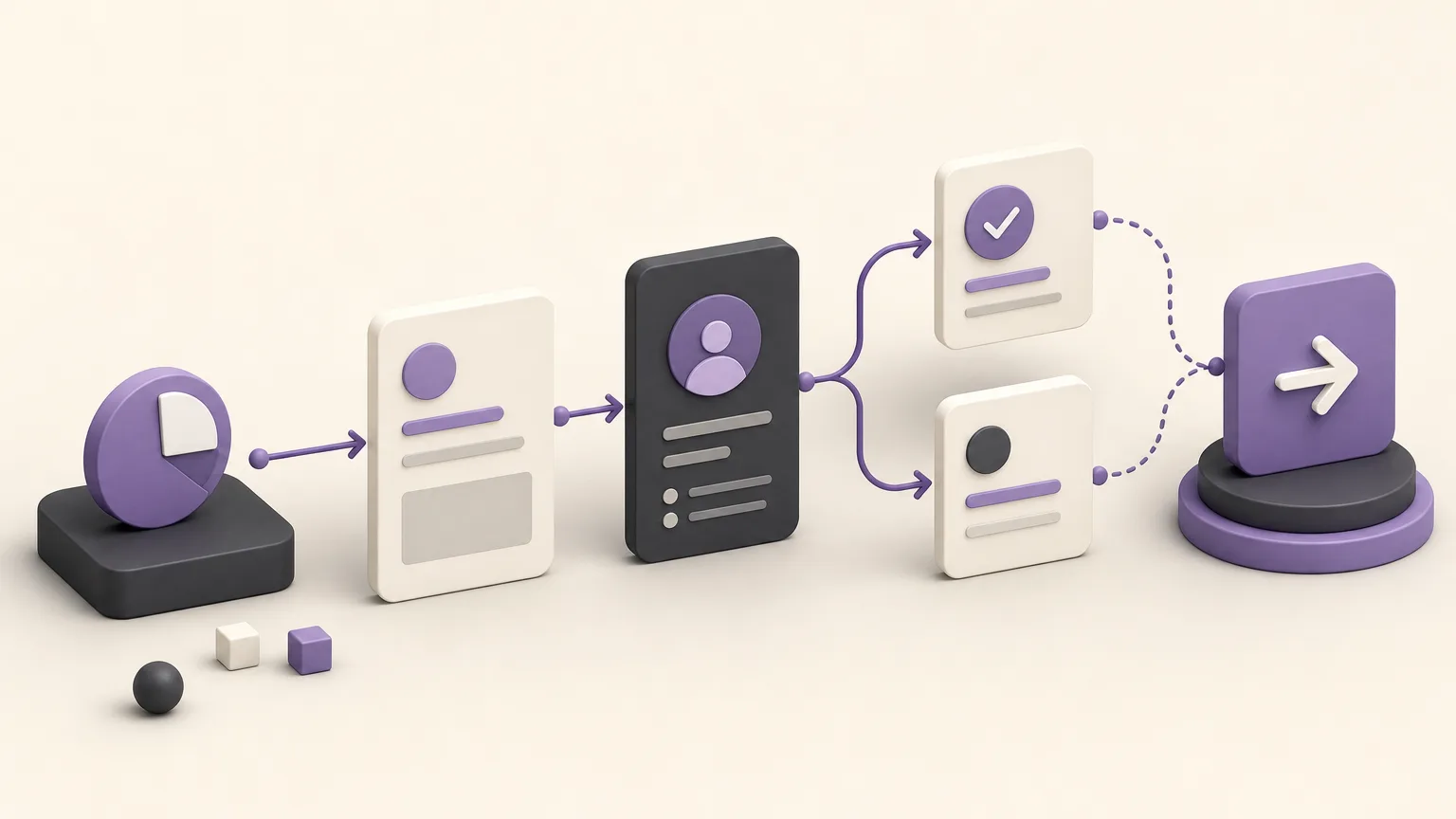
A partially paid invoice is not necessarily a completed collection. Part of the amount may have been received while a remaining balance still requires follow-up, clarification, or an internal review. When the review is organized in a shared operating space, teams can connect sales, orders, accounting, reporting, and branch context instead of rebuilding the picture from separate lists and manual notes.
OrdertechERP connects sales, orders, inventory, accounting, reporting, and branches in one operating space. Its AI operational assistant can connect an order and its data to the next step according to the company’s configuration and team permissions. The usefulness of that process still depends on data quality, company setup, and the access granted to each user.
Start with a reliable view of partially paid invoices
The first step is not contacting the customer. It is making sure the accounting and collections team is working from a consistent view. Within the company’s configuration, the view should identify invoices that have received part of their payment, show the remaining balance, and provide the current invoice status and related context.
Before using the view for follow-up, check the basics:
- Was the payment recorded against the correct invoice?
- Does the recorded amount match the approved financial records?
- Is there a related order or another customer record that explains the payment or remaining balance?
- Is the invoice status current, or could it still reflect an earlier point in the process?
- Does the reviewing user have access to the information needed for the task?
This check prevents a simple posting error from becoming an inappropriate customer follow-up. It also separates a genuine outstanding balance from an amount that first needs internal correction or clarification.
Read the balance together with invoice and customer status
The remaining balance alone is not enough to set priority. A large balance may be waiting for an unresolved question, while a smaller balance may require more immediate attention because of its status or an agreed follow-up. The practical approach is to read the balance alongside the invoice status and the customer’s related context.
| Review element | Practical question | What it clarifies |
|---|---|---|
| Remaining balance | How much has not been collected? | The financial exposure and the scale of the follow-up. |
| Invoice status | Is the invoice open, under review, or connected to an internal note under the company’s setup? | Whether the next step is direct collection or issue resolution first. |
| Customer context | Are other invoices or orders connected to the same customer? | Whether the balance is part of a broader account situation. |
| Branch or owner | Who is responsible for the next step within the approved permissions? | Clear ownership and less duplicated outreach. |
This connection is especially useful when sales, accounting, and branches work from the same operational picture. Sales may know the order context, accounting may hold the payment view, and a branch may need to confirm an operational detail. Shared visibility does not mean identical access for everyone; access should remain aligned with company roles and permissions.
Turn the view into an actionable collection priority
The team can define internal rules for prioritizing follow-up rather than treating every remaining balance in the same way. A practical classification might include:
- Ready for follow-up: the data is complete, the balance is understood, and no known issue prevents a payment request or confirmation.
- Needs verification: the payment, invoice status, or order relationship needs to be checked before contacting the customer.
- Needs internal coordination: sales, a branch, or another responsible team must clarify the order or account context.
- Already in progress: a prior follow-up exists, so the next action should continue that work rather than create duplicate outreach.
Each group can then be ordered using criteria defined by the company, such as balance size, invoice status, the importance of keeping an order moving, or an agreed follow-up date. These are operational guidelines, not assumed product rules. The appropriate criteria depend on the company’s collection policy and configuration.
Verify the next step before recording it
Every review should end with a clear question: what happens next? The answer could be an internal review, confirmation of invoice data, customer contact, or waiting for an approval or document under the company’s process. A visible balance alone is not enough reason to create or approve an action; the status may need interpretation first.
Where available under the company’s configuration and team permissions, the AI operational assistant can help connect the order and available data to a next step. A user should review any suggestion against the records and company policy before approving it, especially when information is incomplete or the case is unusual.
The goal is not more calls. It is better follow-up: a verified balance, an understood status, a clear owner, and a next step that fits company policy.
Make the review a shared operating process
Shared visibility is valuable because each team does not have to reconstruct the case from the beginning. Accounting starts with payment information, sales reviews the customer or order context, the branch confirms its operational responsibility, and reporting helps reveal patterns across balances and statuses. Organizing the information this way can reduce duplicate spreadsheets and re-entry while keeping decisions with authorized staff.
To make the process consistent, agree on what “partially paid” means for internal reporting, how notes should be written, who owns each next step, and when a case returns for review. Also define what to do when the payment record, invoice, and order do not agree. A documented rule is safer than leaving each employee to resolve the discrepancy differently.
Checklist before closing a follow-up
- Verify the invoice, payment, and remaining balance.
- Review the invoice status and the related customer or order context.
- Assign the next step to a responsible user within the approved permissions.
- Record the action or reason for waiting according to company policy.
- Avoid duplicate customer contact when a follow-up is already in progress.
- Update the data after the action is completed, not before.
Conclusion
Reviewing partially paid invoices becomes a clearer collection process when the remaining balance is read together with the invoice, customer, branch, and order context. OrdertechERP brings these areas into one operating space, and its operational assistant may help identify the next step according to the company’s setup and permissions. The result still depends on accurate data, sound configuration, and clear policies. Shared visibility can reduce manual repetition, but it does not replace responsible human review before a collection action is taken.